The festive season is synonymous with sharing, traditions and culinary delights.
Recipes vary from country to country, but Champagne naturally finds its place at the table. Embark on a new culinary journey through five festive traditions and their pairings with Champagne.
Stop 1: United States – Roast ham and Extra Dry Rosé Champagne
First stop, the United States, where roast ham is a classic feature of the Christmas table. It is usually served with a sweet glaze made with brown sugar, maple syrup or citrus fruits.
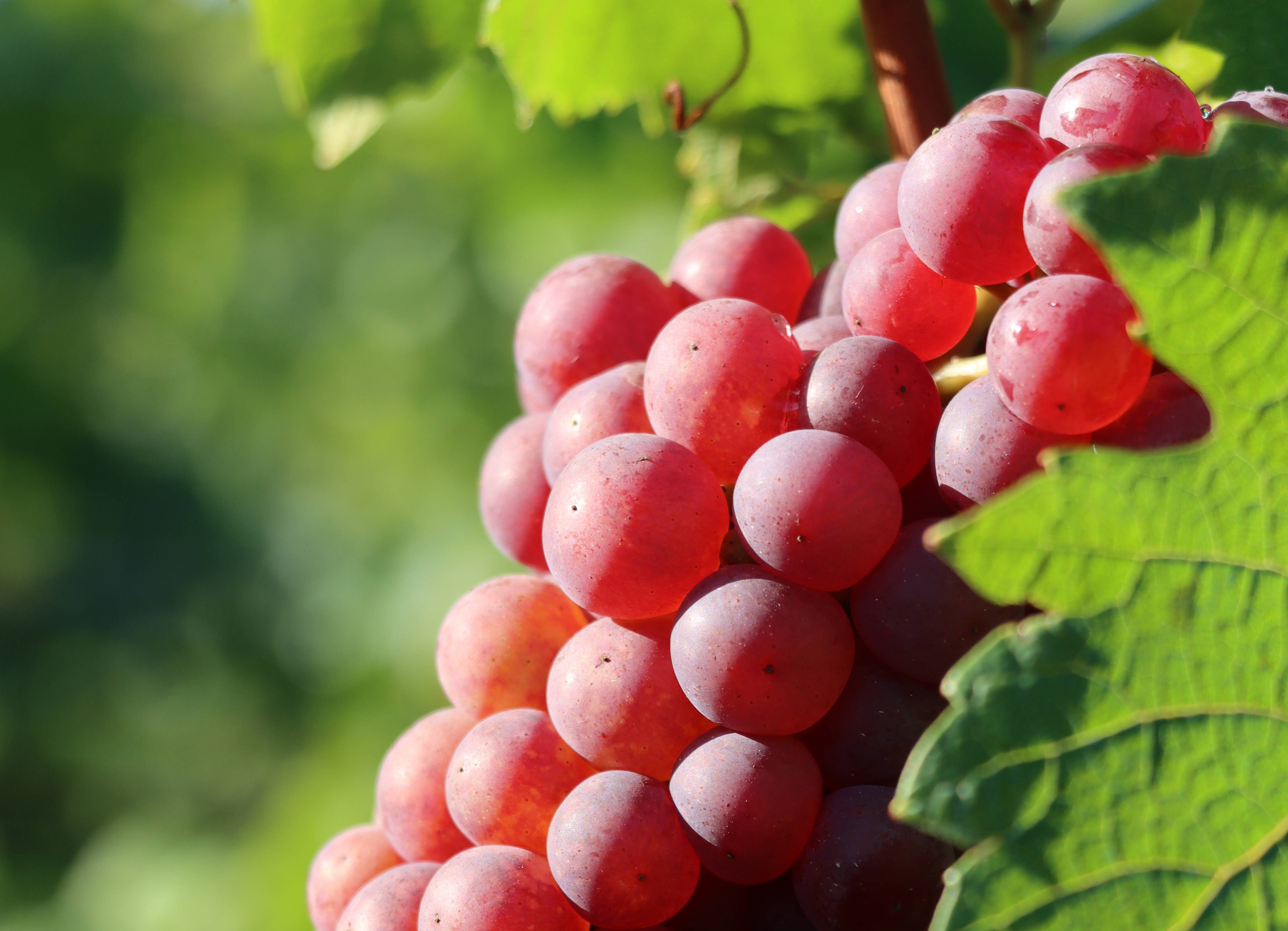
To complement this combination of richness and sweetness, opt for an Extra Dry Rosé Champagne. Its richness, freshness and subtle sweetness complement both the texture of the ham and the sweet notes of its glaze, creating a beautifully balanced pairing.
Stop 2: Switzerland – Roast capon, cardoon gratin and Brut Champagne
Next, we head to Switzerland, and more specifically Geneva. While Christmas traditions vary from one region to another, roast capon served with a cardoon gratin is a fine example of a festive meal in Geneva.
A Brut Champagne with aromas of white fruit and brioche is an ideal accompaniment to the richness of the capon and gratin. For a bolder alternative, a low-dosage Rosé Champagne can also bring a welcome touch of acidity to balance the richness of the dish.
Stop 3: England – Roast turkey and Blanc de Noirs Champagne
Next stop: England, for the unmissable Christmas roast. This consists of roast turkey served with potatoes, stuffing, pigs in blankets (sausages wrapped in bacon), vegetables and various sauces, including cranberry sauce.
With these rich flavours, a Blanc de Noirs Champagne offers depth and structure. Its fruitiness and generous character complement the roast meat, while its notes of red fruit and spices pair particularly well with the cranberry sauce.
Stop 4: Germany – Roast goose and vintage Champagne
Our journey continues in Germany with Weihnachtsgans, a roast goose served with red cabbage, potato dumplings and gravy, a rich dish typical of the festive season.
To complement it, a vintage Champagne provides the structure needed to accompany the flavoursome goose. Its freshness balances the richness of the dish, while its notes of brioche and dried fruit harmonise with the red cabbage and gravy.
Stop 5: Japan – Osechi and Champagne
Our final stop is Japan, where major family traditions are more closely associated with New Year than Christmas. For the occasion, Osechi brings together a wide variety of carefully prepared dishes, sometimes made several days in advance and served to celebrate the New Year.
Sugar, soy sauce and dried bonito stock are among the ingredients that create a particularly diverse range of flavours. These sweet, savoury and umami notes offer an original playground for Champagne. Blanc de Blancs are particularly well suited to contrasting pairings, bringing different sensations that help balance the flavours of the dishes.
From the United States to Japan, via Switzerland, England and Germany, festive culinary traditions take on a different character at every stop. Each one offers a new way to discover how different styles of Champagne can complement the diversity of cuisines and shared moments.