![Logo du Comité Champagne [studiometa]](/themes/custom/champagne/logo.svg)
Champagne is often associated with celebration, but it is also a wine that reflects a unique expertise. Behind its bubbles lies a rich history, precise craftsmanship and a great diversity of styles. Yet many misconceptions still limit how it is understood and enjoyed. For professionals in sommellerie, hospitality or distribution, it is essential to know the truth behind these preconceived ideas. Here are the 5 most widespread clichés… and why they are wrong.
1. “All Champagne cuvées taste the same”
Why it is wrong?
Champagne does not have a single taste. There is an incredible diversity of styles and aromatic profiles.
Learn more
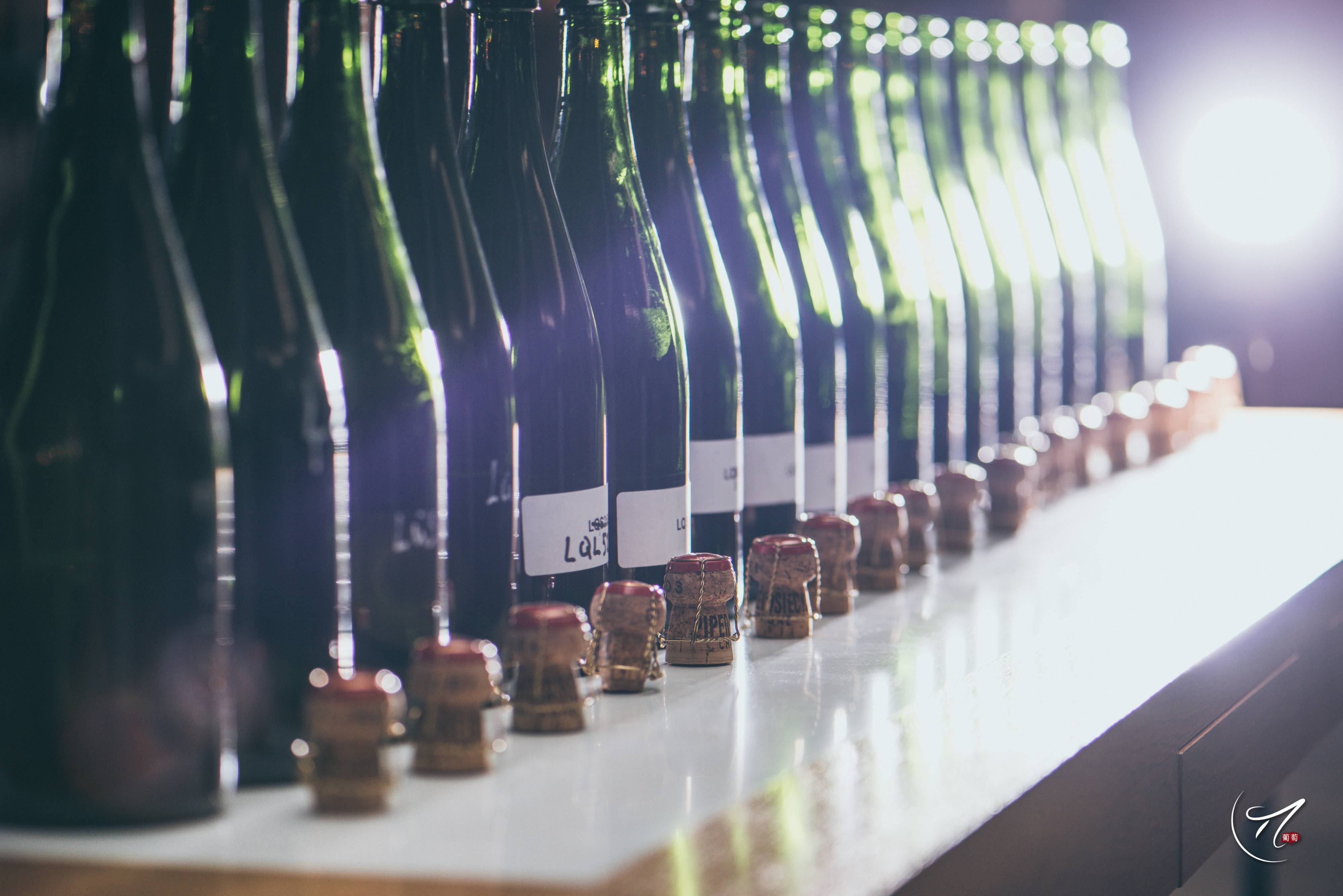
Each producer – whether a House, a Grower or a Cooperative – creates its cuvées by working with the three fundamental dimensions of blending:
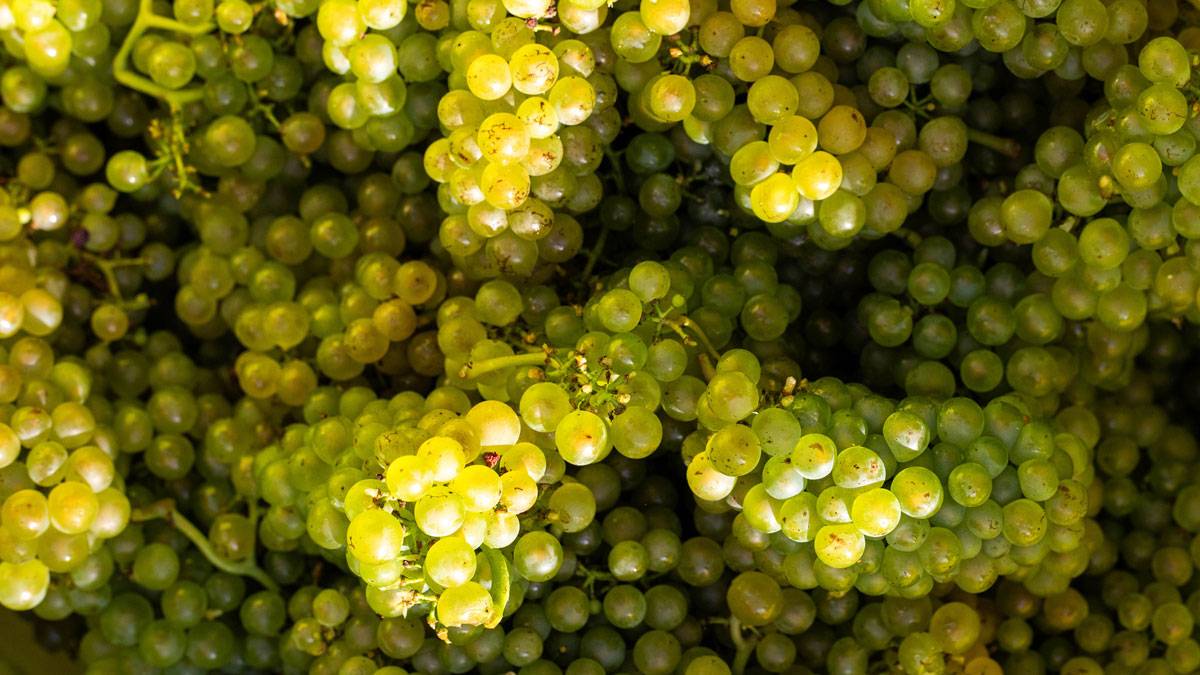
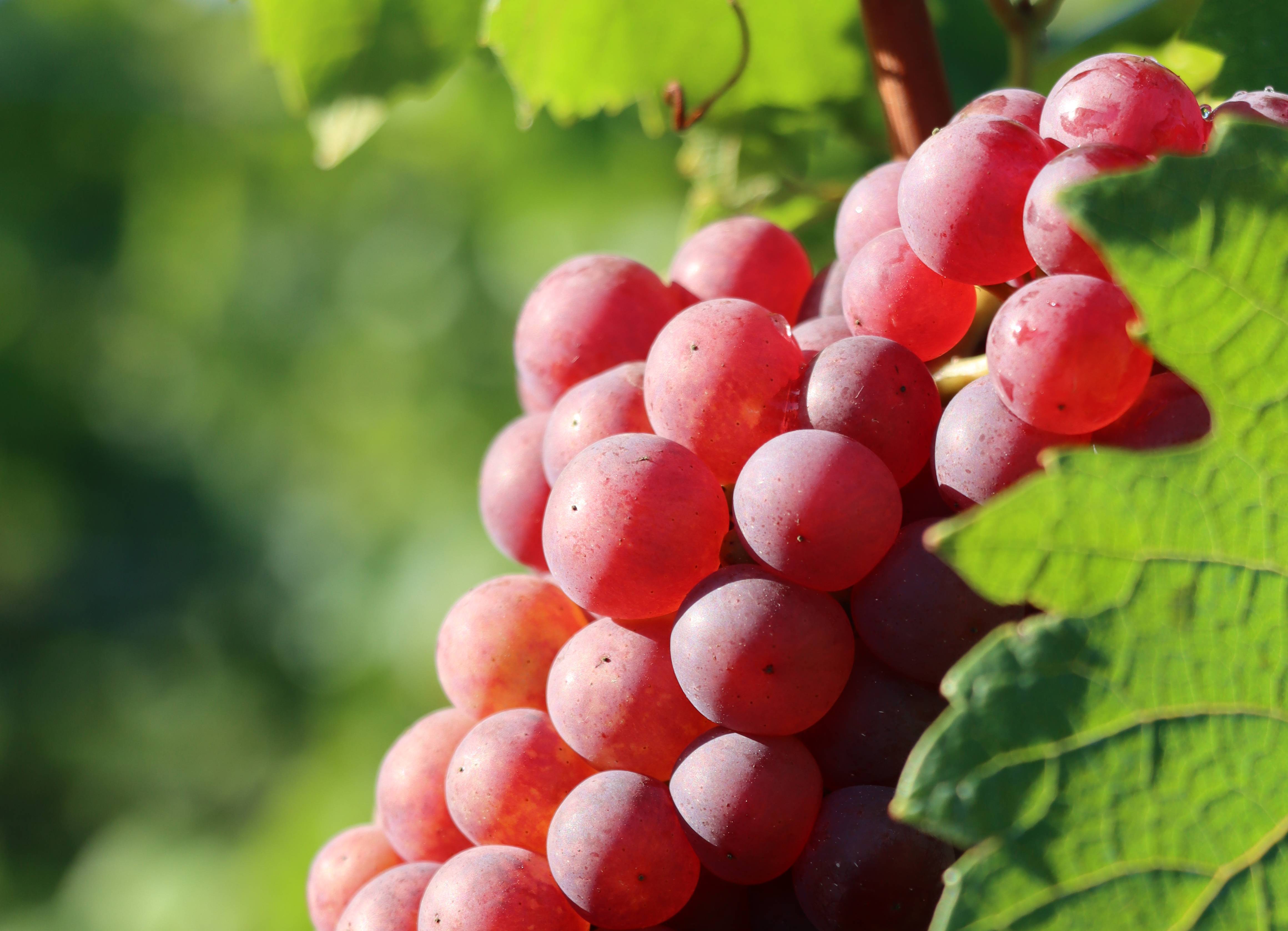
- The main grape varieties: Pinot noir, Chardonnay and Meunier, each bringing its own personality.
- The crus: 319 villages make up the mosaic of Champagne terroirs, offering endless nuances.
- The years: some cuvées are made from several years, others from a single year (vintage).
This meticulous work gives rise to unique Champagne wines, reflecting the style of each producer. For some very exclusive cuvées, no blending is carried out: the Champagne comes from a single vintage and a single terroir. This is known as a single-vineyard vintage cuvée.
2. “Champagne is only for the aperitif or dessert”
Why it is wrong
A staple of festivities and celebrations, Champagne is also a wine capable of accompanying a meal from start to finish.
Learn more
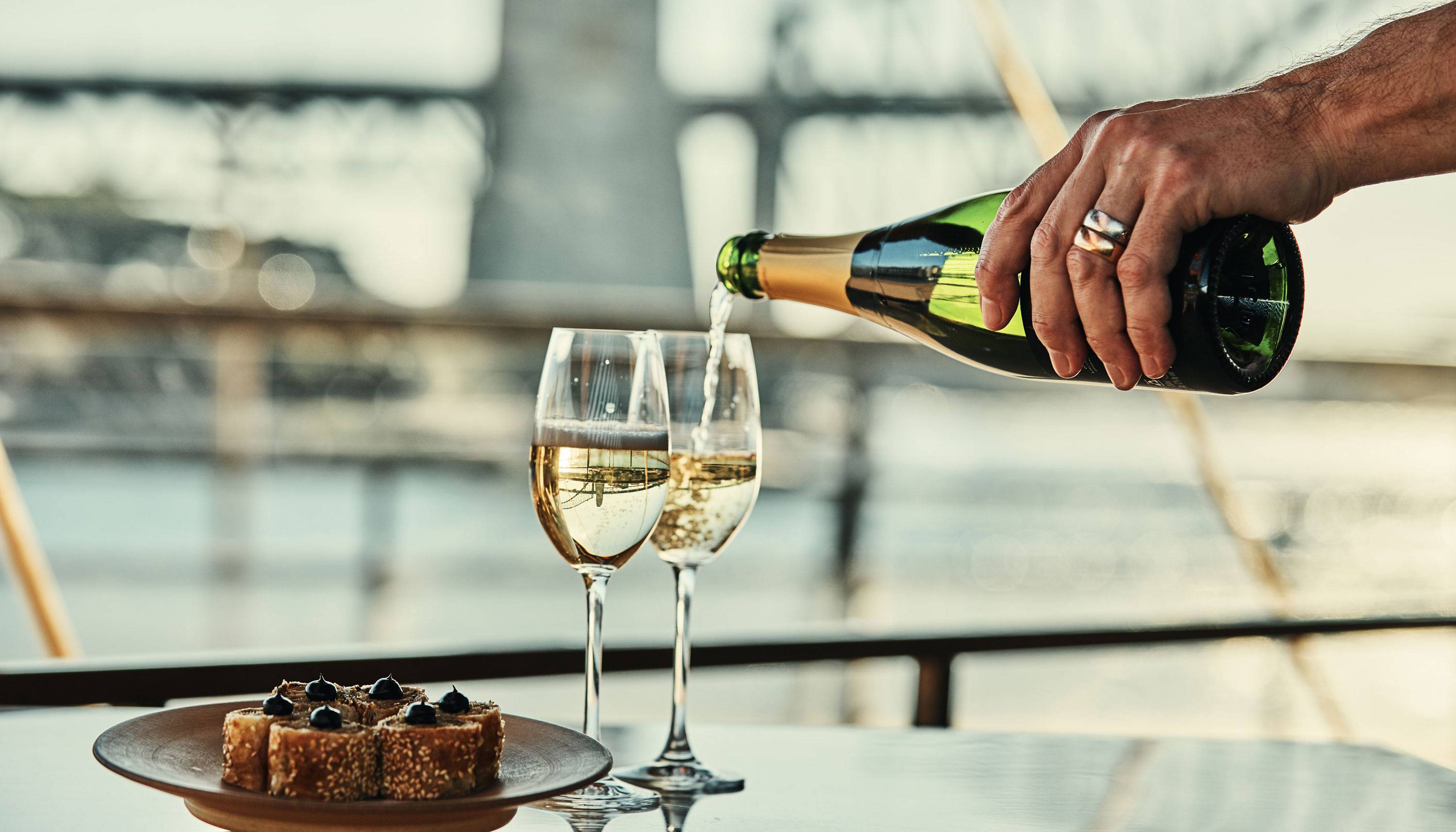
Thanks to its different styles, it pairs with a wide range of dishes:
- Blanc de blancs : perfect with shellfish, delicate fish and iodine-rich dishes.
- Blanc de noirs : ideal with poultry, mushrooms and white meats.
- Brut sans année : versatile, enjoyed as an aperitif or with simple, indulgent dishes such as a burger.
- Rosé : superb with charcuterie, carpaccio or lightly sweet red fruit desserts.
- Millésimé : pairs with premium ingredients such as lobster, scallops, matured cheeses or pan-fried foie gras.
Champagne is therefore not reserved for festive moments: it can be the guiding thread of a gourmet meal.
3. “The bubbles in Champagne play a secondary role”
Why it is wrong
Effervescence is at the heart of Champagne’s identity and actively contributes to the tasting experience.
Learn more
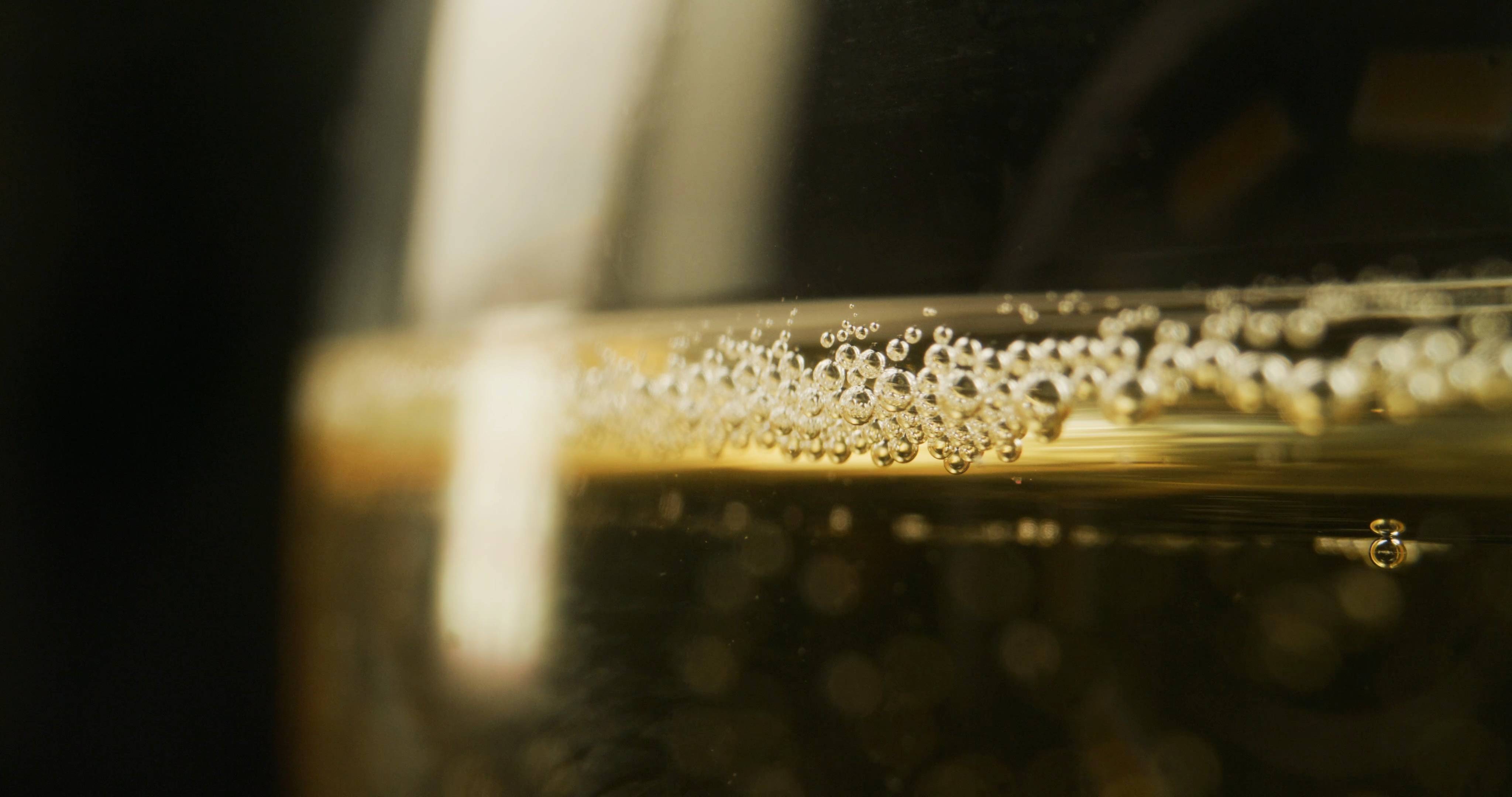
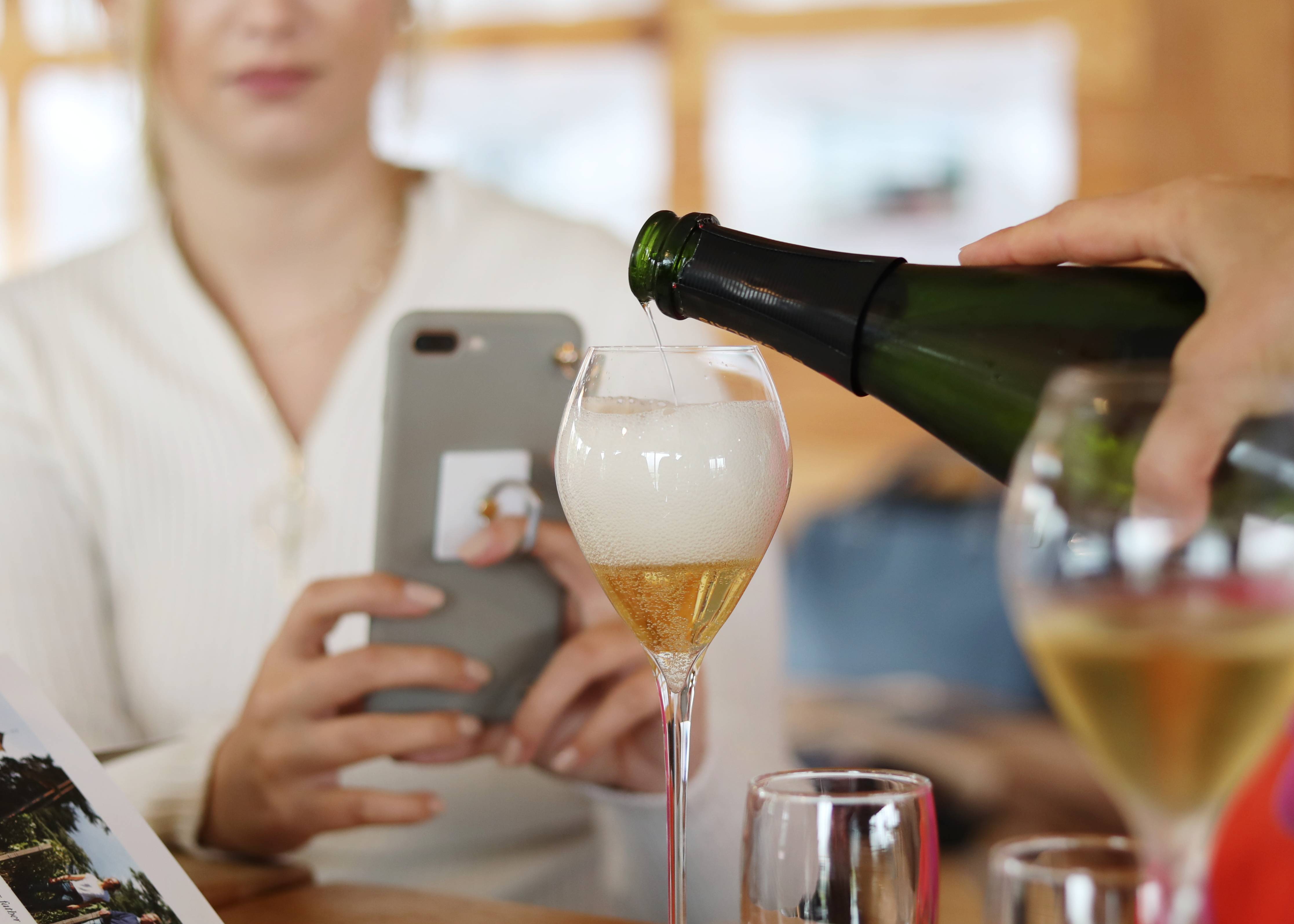
The bubbles are not just aesthetic: they release aromas as they rise to the surface of the glass. To enjoy them fully, use a tulip-shaped glass: tall to allow the bubbles to develop, rounded so the aromas can expand, and narrower at the top to concentrate them towards the nose. To preserve the bubbles after opening, reseal the bottle with an airtight stopper and store it in the refrigerator.
The bubbles are therefore much more than a detail: they reflect the unique expertise of producers and help reveal the complexity of Champagne wines.
4.“Champagne should be drunk very cold”
Why it is wrong
Champagne loses aromatic complexity when tasted too cold.
Learn more
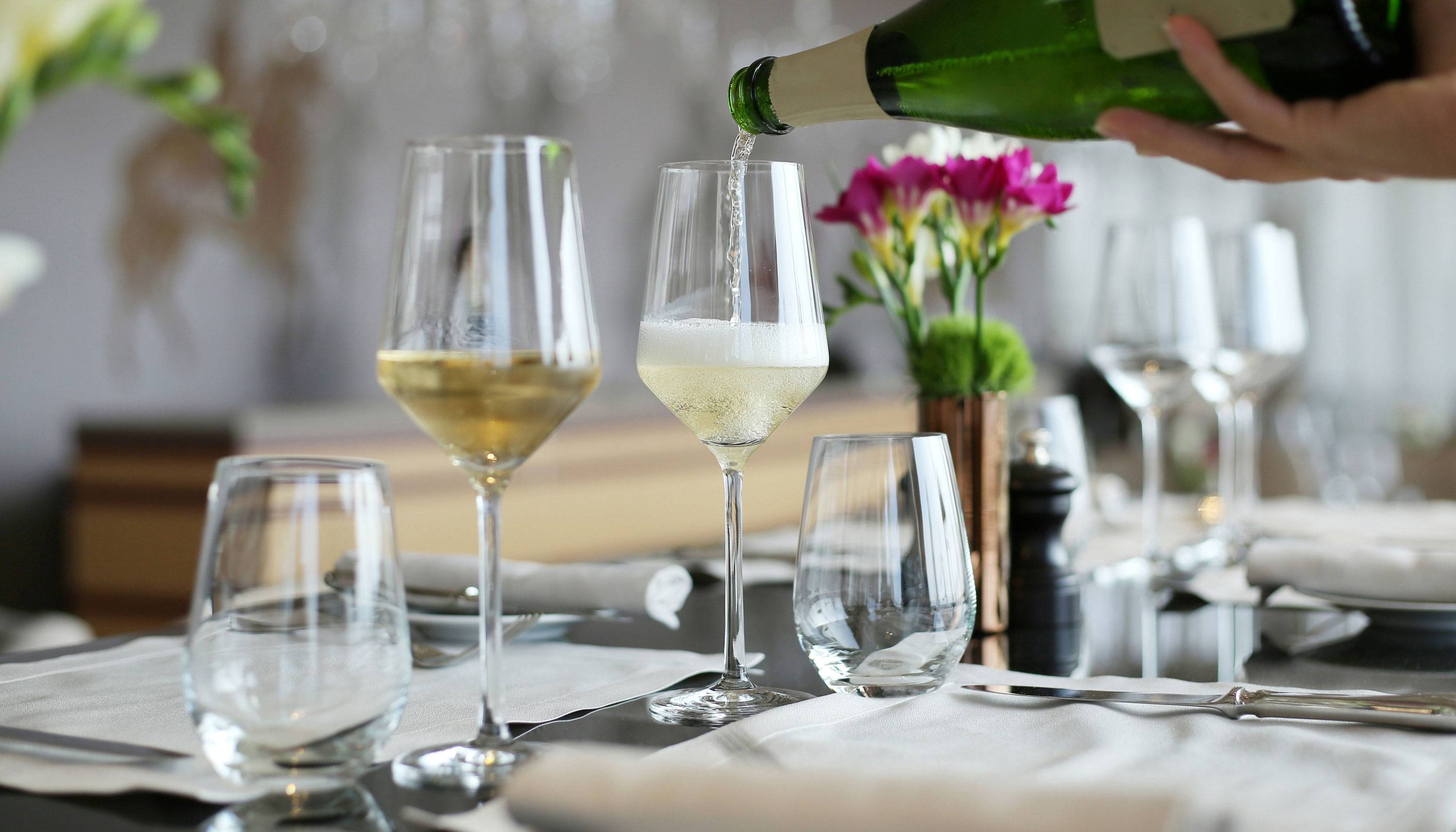
For optimal tasting, here are the ideal serving temperatures:
- 8 to 10°C for most cuvées.
- Up to 12°C for vintage cuvées.
In hospitality settings, a wine cellar set at 10°C is ideal for ensuring the perfect serving temperature for bottles of Champagne.
5. “Champagne does not age well”
Why it is wrong
Champagne benefits from maturation during its production process, and some cuvées gain further complexity over time.
Learn more
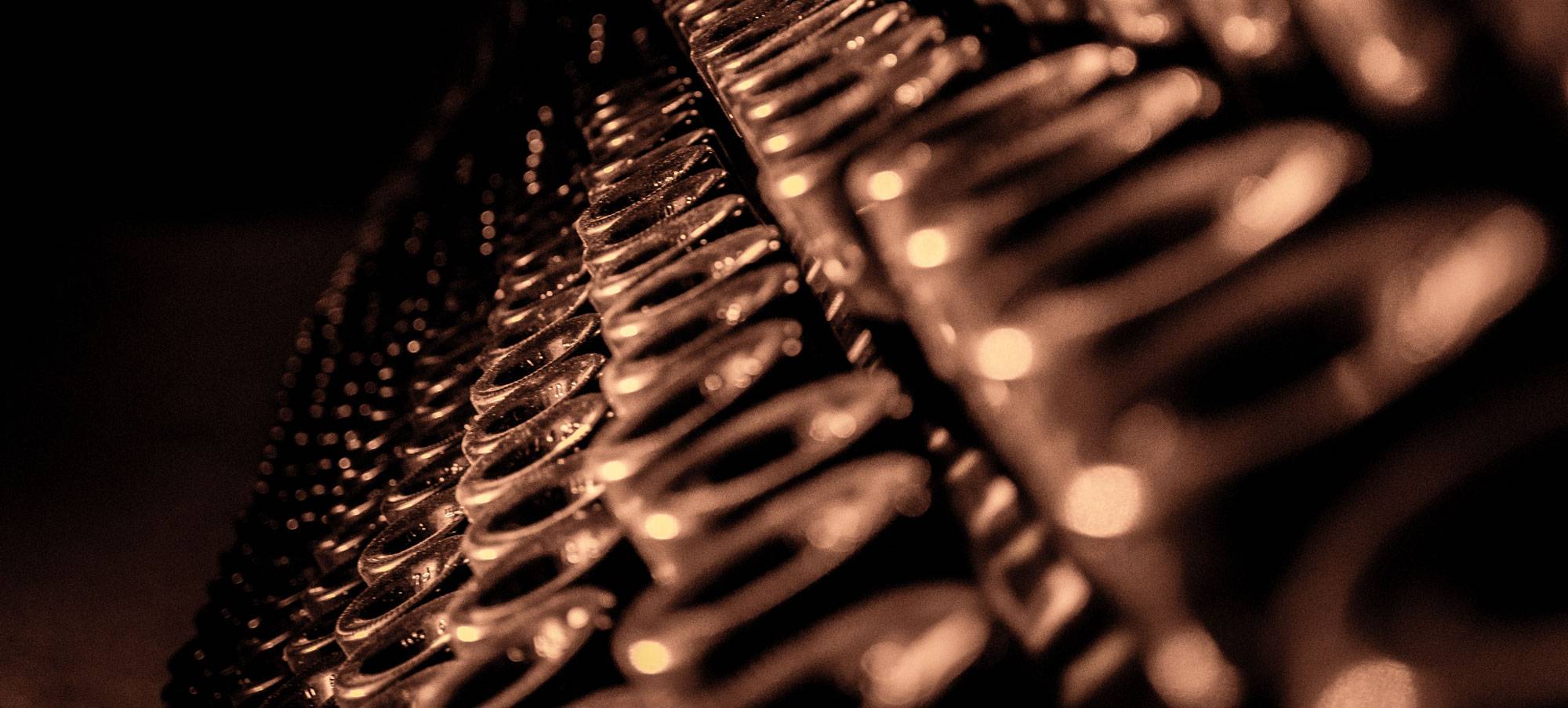
All Champagne wines already undergo ageing in cellars, ensured by Houses, Growers or Cooperatives before being released for sale. Vintage cuvées are often designed to continue evolving, developing aromas of brioche, honey, dried fruit or hazelnut, while maintaining their freshness. A Champagne enjoyed at maturity reveals remarkable depth, provided it has been stored in good conditions. To preserve a bottle of Champagne optimally, it is recommended to keep it in a well-ventilated, dark, odour-free place, with a constant temperature between 10°C and 15°C and humidity between 60% and 80%. Ageing is not a flaw; on the contrary, it offers a new dimension of the tasting experience.
Champagne is a wine of celebration and gastronomy, but it is also a rich, complex and fascinating world. Understanding its subtleties not only allows you to appreciate it better, but also to enhance its value for customers. By letting go of these misconceptions, you open the door to a unique sensory experience and a deeper understanding of this exceptional wine.