![Logo du Comité Champagne [studiometa]](/themes/custom/champagne/logo.svg)
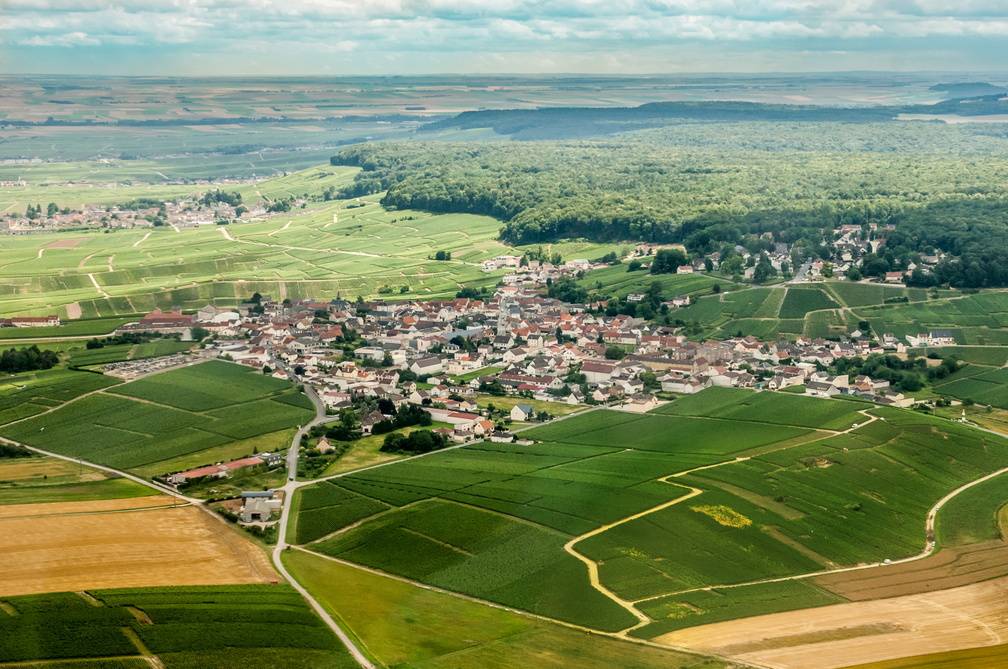
The Champagne appellation is celebrating its 90th birthday. On 29 June 1936, the Champagne Appellation d’Origine contrôlée (AOC) was officially recognised, marking the culmination of decades of commitment by Champagne Houses and Winegrowers to protect a shared heritage rooted in a unique terroir.
Key dates leading up to the recognition of the Champagne AOC
As early as the 19th century, the people of Champagne worked collectively to defend the unique character of Champagne and its wines.
Here are some key dates:
- 1845: At the request of a group of Houses, the Court of Cassation (France) prohibited the use of the name “Champagne” to designate a sparkling wine
- 1882: Creation of the Syndicat du commerce et des vins de Champagne (later to become the Union des Maisons de Champagne)
- 1898: Creation of the Association Viticole Champenoise to collectively fight against phylloxera
- 1904: Creation of the Fédération des syndicats viticoles de la Champagne (later to become the Syndicat général des vignerons de la Champagne)
- 1908: Administrative delimitation of the vineyard area
- 1919: Judicial delimitation of the vineyard area
- 1927: Legislative delimitation of the vineyard area
- 1935: Definition of the production conditions for the Champagne appellation
What is an Appellation d’Origine Contrôlée (AOC)?
An Appellation d’Origine Contrôlée, also known at European level as a protected designation of origin (PDO), represents the meeting point between a terroir and human know-how. It guarantees that a product comes from a specific geographical area and is produced according to clearly defined rules.
France counts hundreds of AOC products, including wines, cheeses and other regional specialities. Introduced in 1935, the AOC concept quickly took shape, and Champagne became one of the first appellations to be officially recognised in 1936.
The AOC system is based on two fundamental pillars:
- a precisely defined geographical area
- a set of production rules that must be respected
The AOC protects both producers and consumers. For producers, the appellation represents a collective heritage and a legally protected name. Only those operating within the defined framework are entitled to use it. For consumers, the AOC offers a double guarantee of authenticity and quality.

The Champagne AOC specifications
Each AOC is governed by specifications that define its exclusive production rules. These rules complement national and European regulations and are monitored by an independent body approved by the INAO (National Institute of Origin and Quality).
The Champagne AOC is particularly demanding, regulating every stage of production.
Its main rules include:
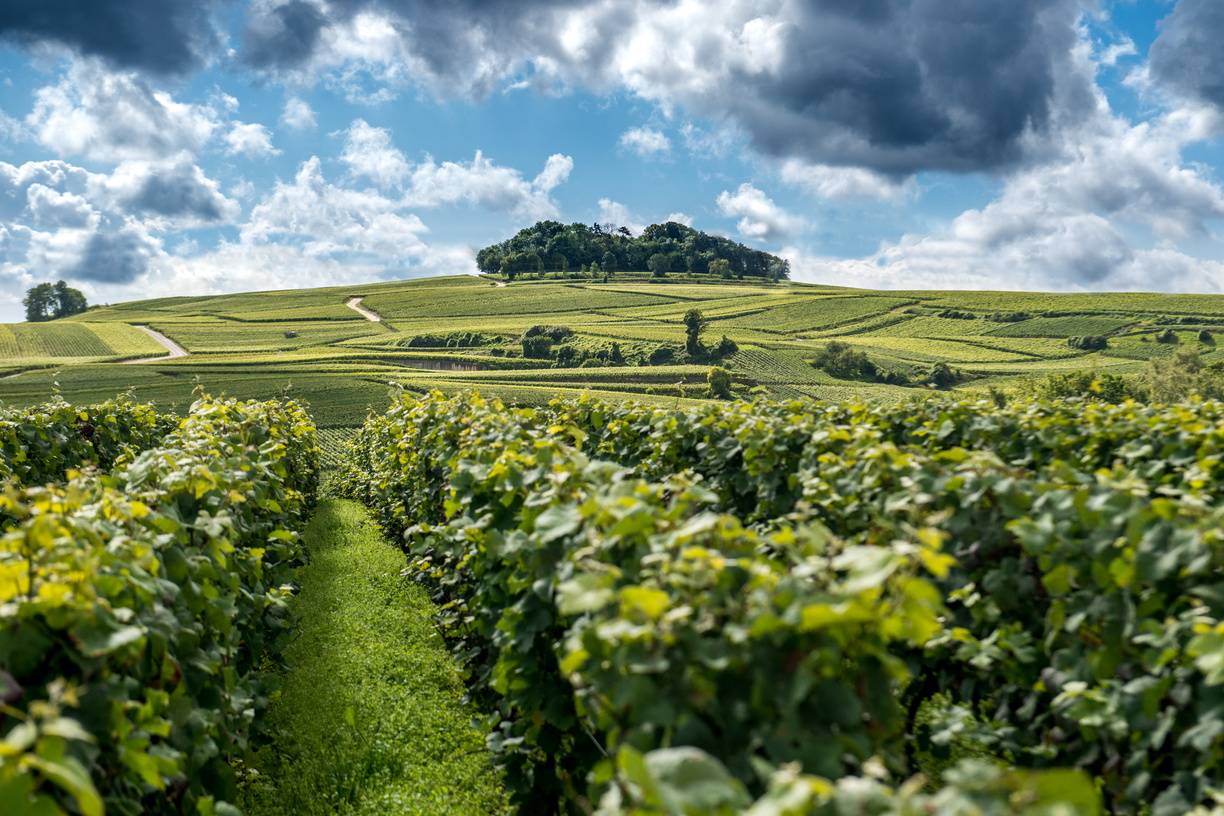
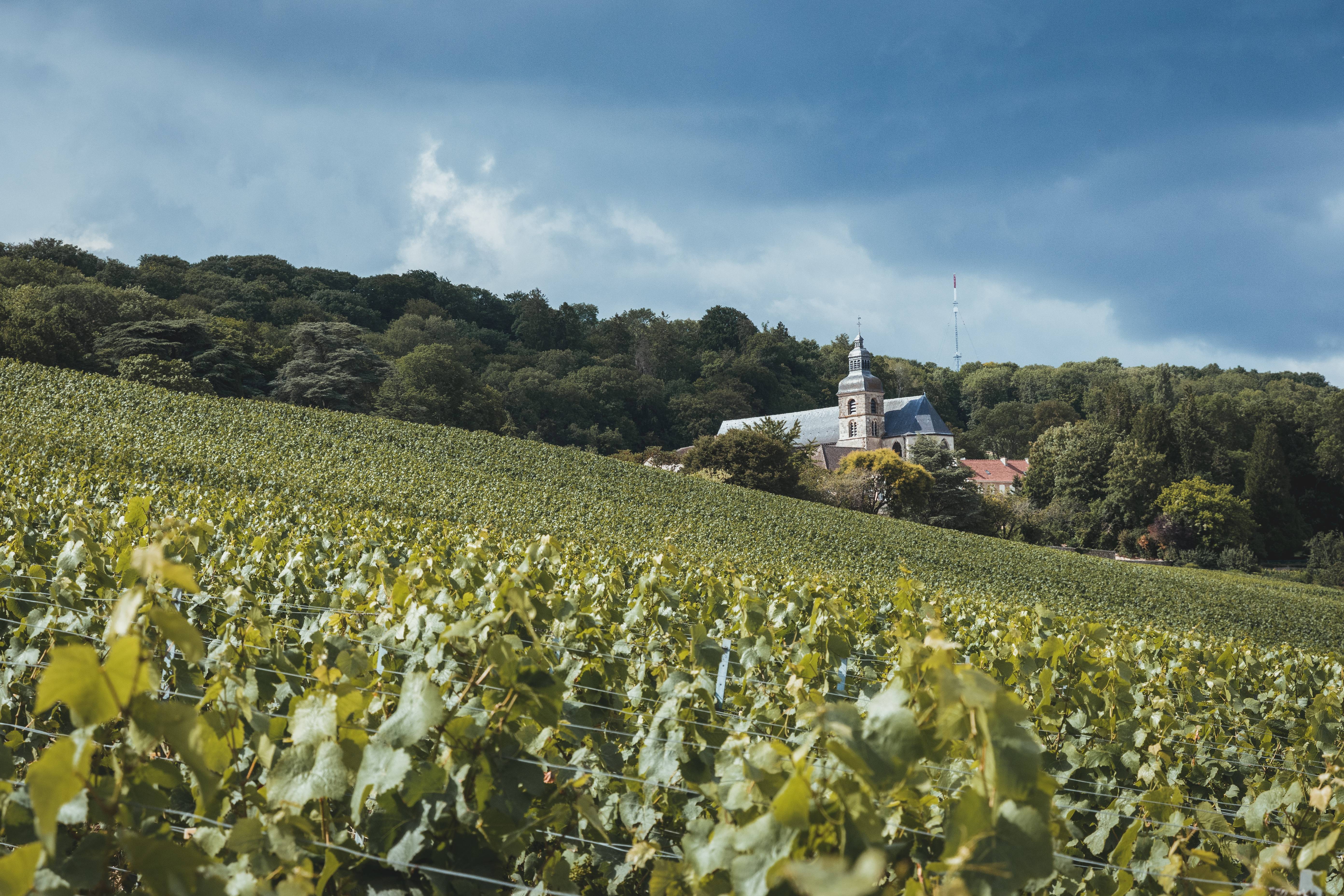
- a strictly delimited geographical area
- eight authorised grape varieties and one variety of interest for adaptation purposes
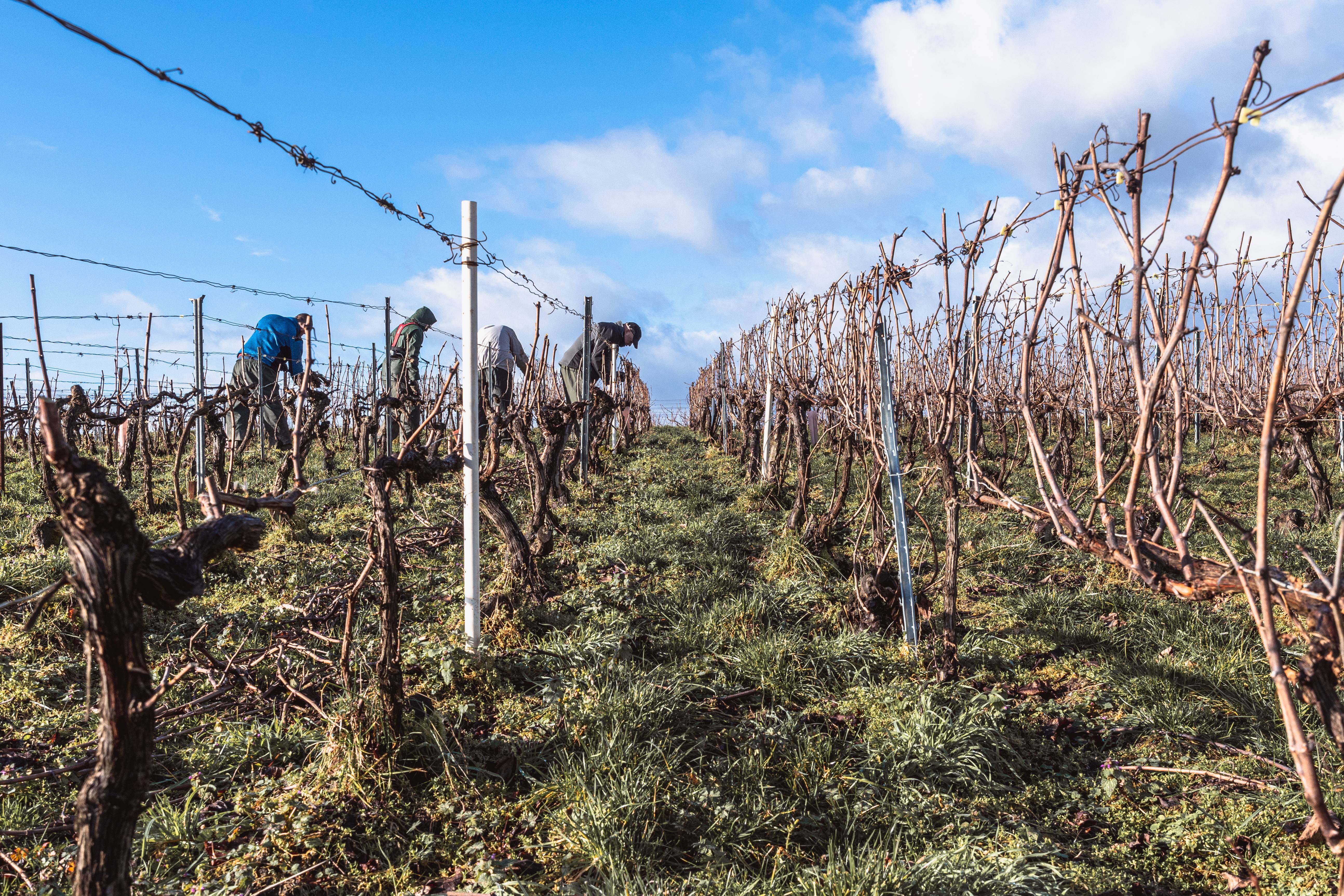
- four authorised pruning methods
- annual limits on yields per hectare
- a limited pressing yield
- a minimum potential alcohol level at harvest a
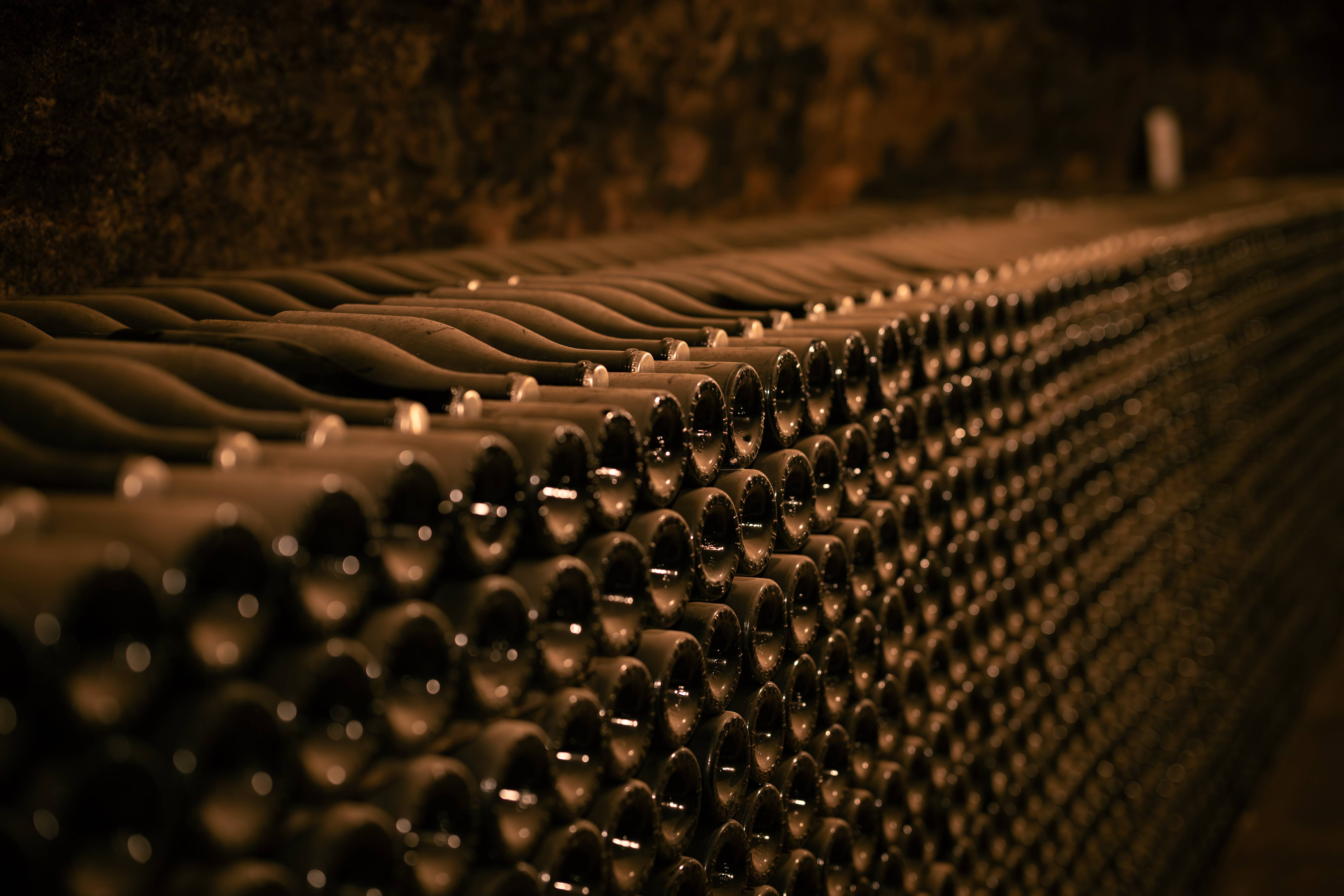
- second fermentation in bottle (prise de mousse)
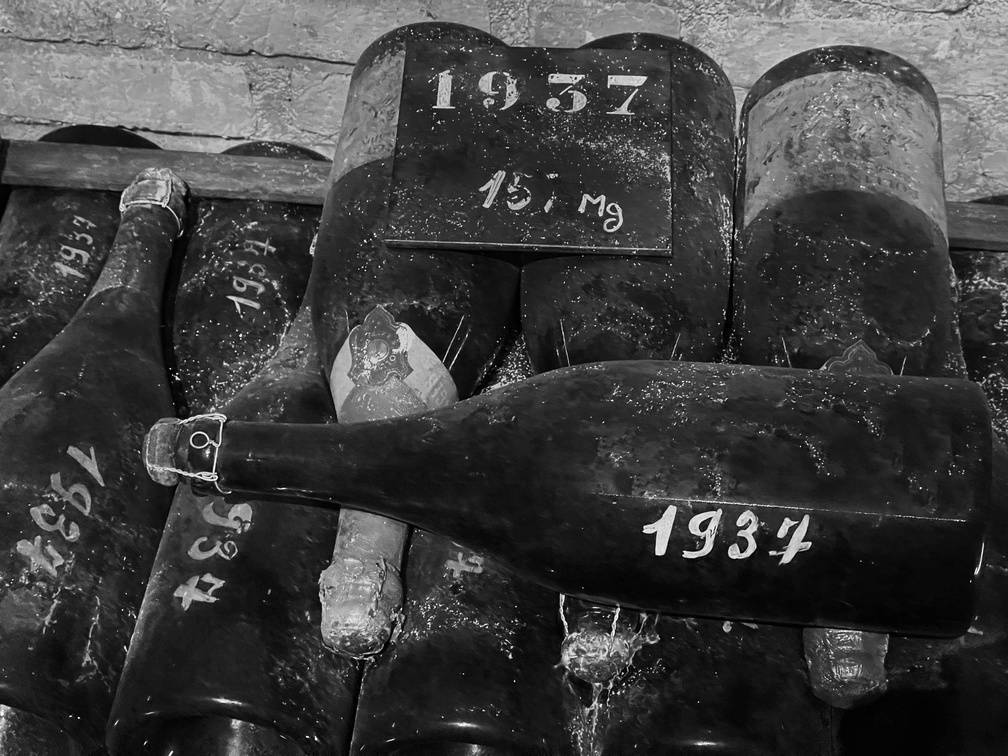
- minimum ageing periods in cellars
Adapting the Champagne AOC to climate change
In response to climate change, the Champagne sector has adapted its viticultural practices.
In 2023, new measures were added to the specifications to strengthen environmental protection while preserving the quality and typicity of Champagne wines.
These changes aim to improve disease control, better manage climatic hazards and reduce inputs.
- Winter cover: vine inter-rows must be covered with spontaneous or sown vegetation between 30 November and 31 January.
- Hot water treatment of vine plants: all new planting material must be treated with hot water to combat flavescence dorée and black wood diseases.
- Expanded planting density options: Winegrowers now have greater flexibility to adapt planting density, helping to facilitate mechanical weeding, reduce phytosanitary products and lower carbon emissions.
A new grape variety under observation
A new white grape variety, Voltis, tolerant to downy and powdery mildew, has been authorised under very strict conditions. It may represent up to 5% of an estate’s vineyard area and up to 10% of blends. Its use requires approval from the INAO and the ODG.
Currently under observation from 2023 to 2033, Voltis reflects Champagne’s ability to evolve while remaining faithful to its appellation principles.