![Logo du Comité Champagne [studiometa]](/themes/custom/champagne/logo.svg)
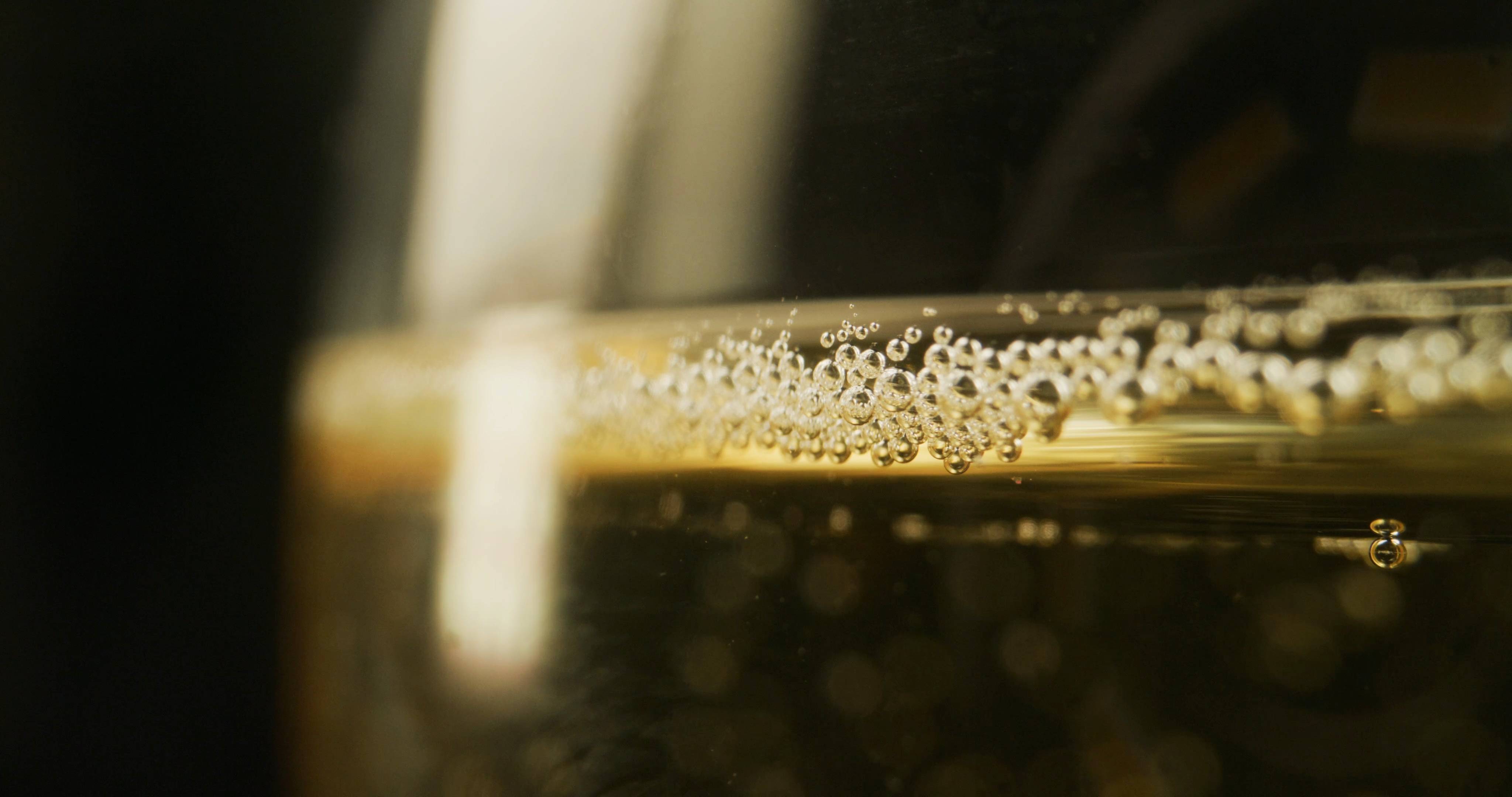
Champagne is far more than a sparkling wine: it is a universal symbol of celebration, emotion and culture. Today, more than eight bottles are opened every second around the world. This success is built on more than three centuries of history and on a unique savoir‑faire found nowhere else.
Three centuries of innovation and recognition
The story begins in the 17th century, when the people of Champagne mastered effervescence and won favour with crowned heads across Europe. The official recognition of the Champagne appellation in 1936 confirmed the uniqueness of this exceptional wine. In 2015, the inscription of the “Coteaux, Maisons and Caves de Champagne” on the UNESCO World Heritage List celebrated its cultural and historical influence, making Champagne more than a wine: a symbol of celebration shared worldwide.
A unique terroir found nowhere else
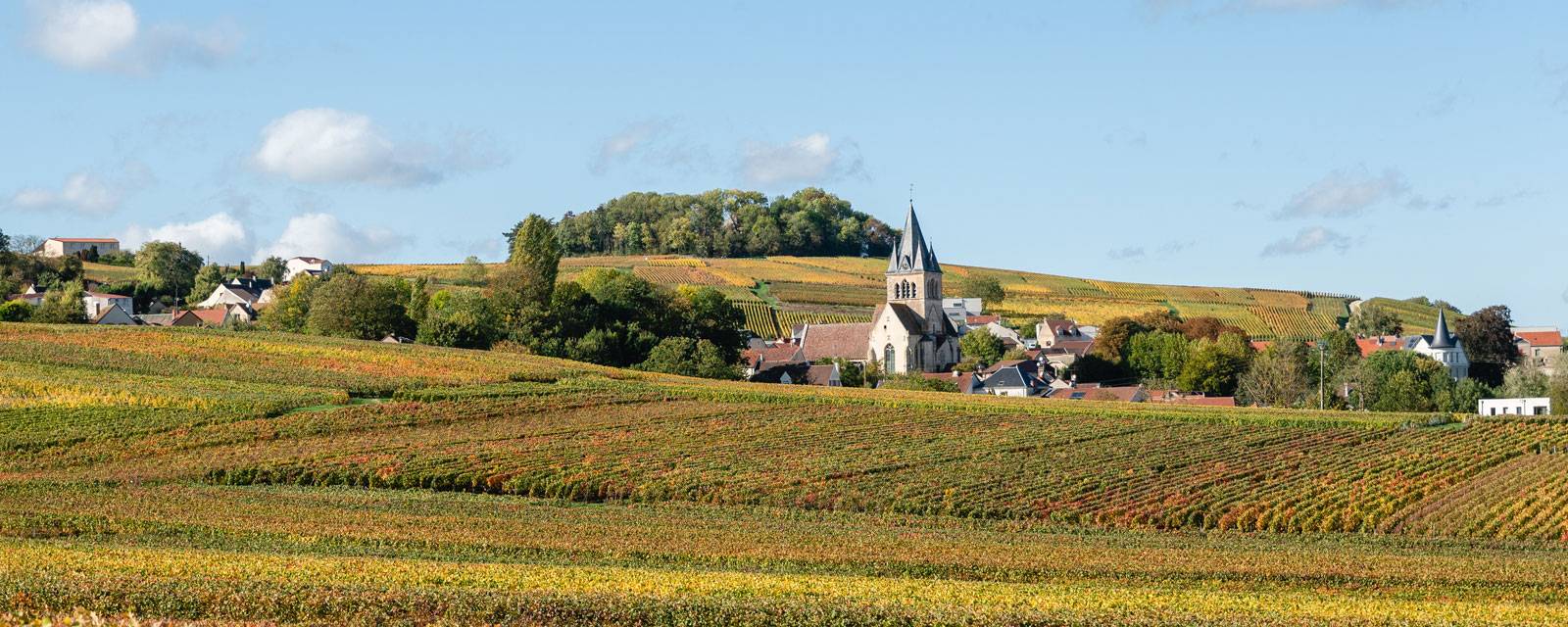
Champagne can only come from Champagne because its terroir is unique. The vineyard, planted on hillside slopes, benefits from both continental and oceanic influences. Its 280,000 plots form a true mosaic resting on a predominantly chalky subsoil, the guarantee of remarkable finesse. Today, more than 70% of the vineyard area holds environmental certification, reflecting the commitment of the people of Champagne to an increasingly responsible sector.
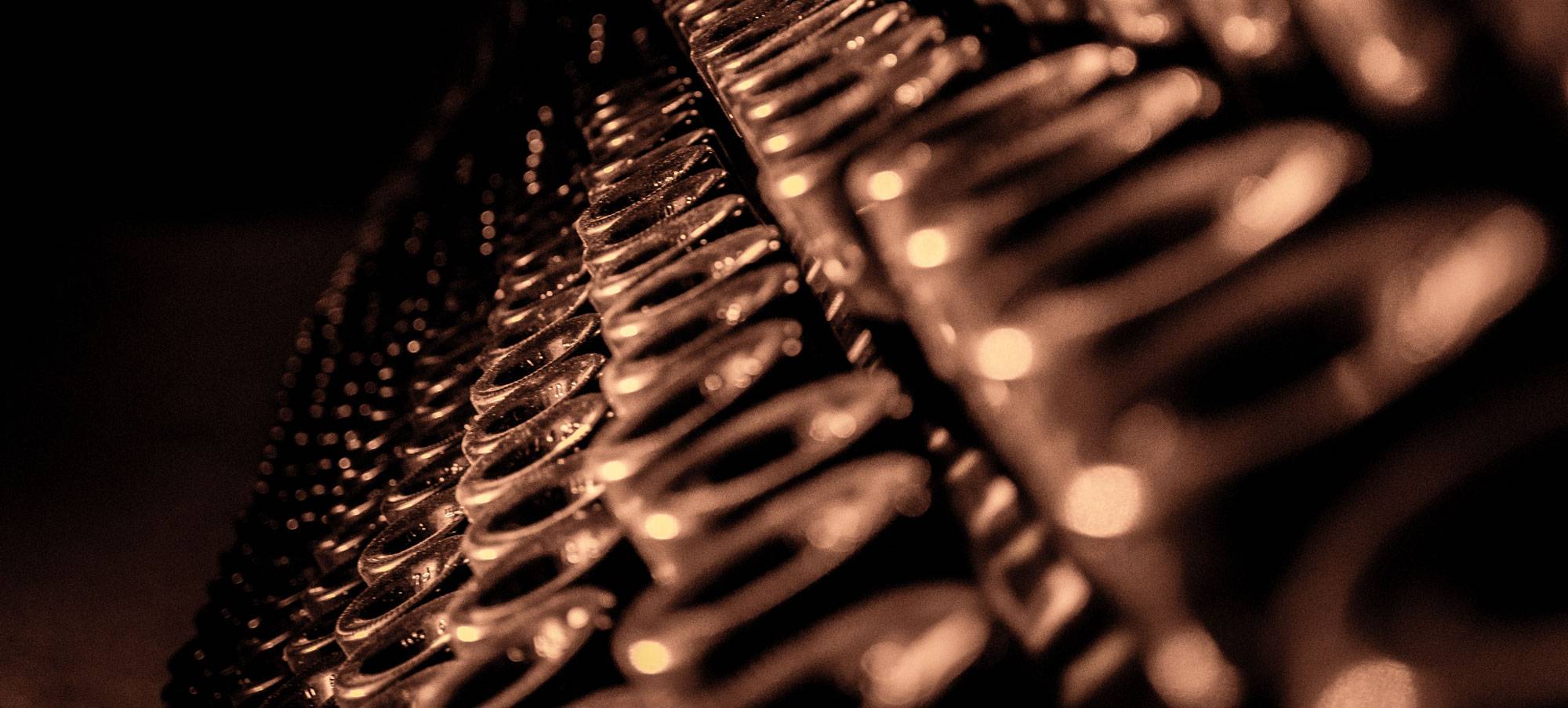
Finally, the "méthode Champenoise" — a second fermentation in bottle with ageing on lees — remains the signature of this unique production, shaped by the combined work of the Vignerons and Champagne Houses.
Three main grape varieties
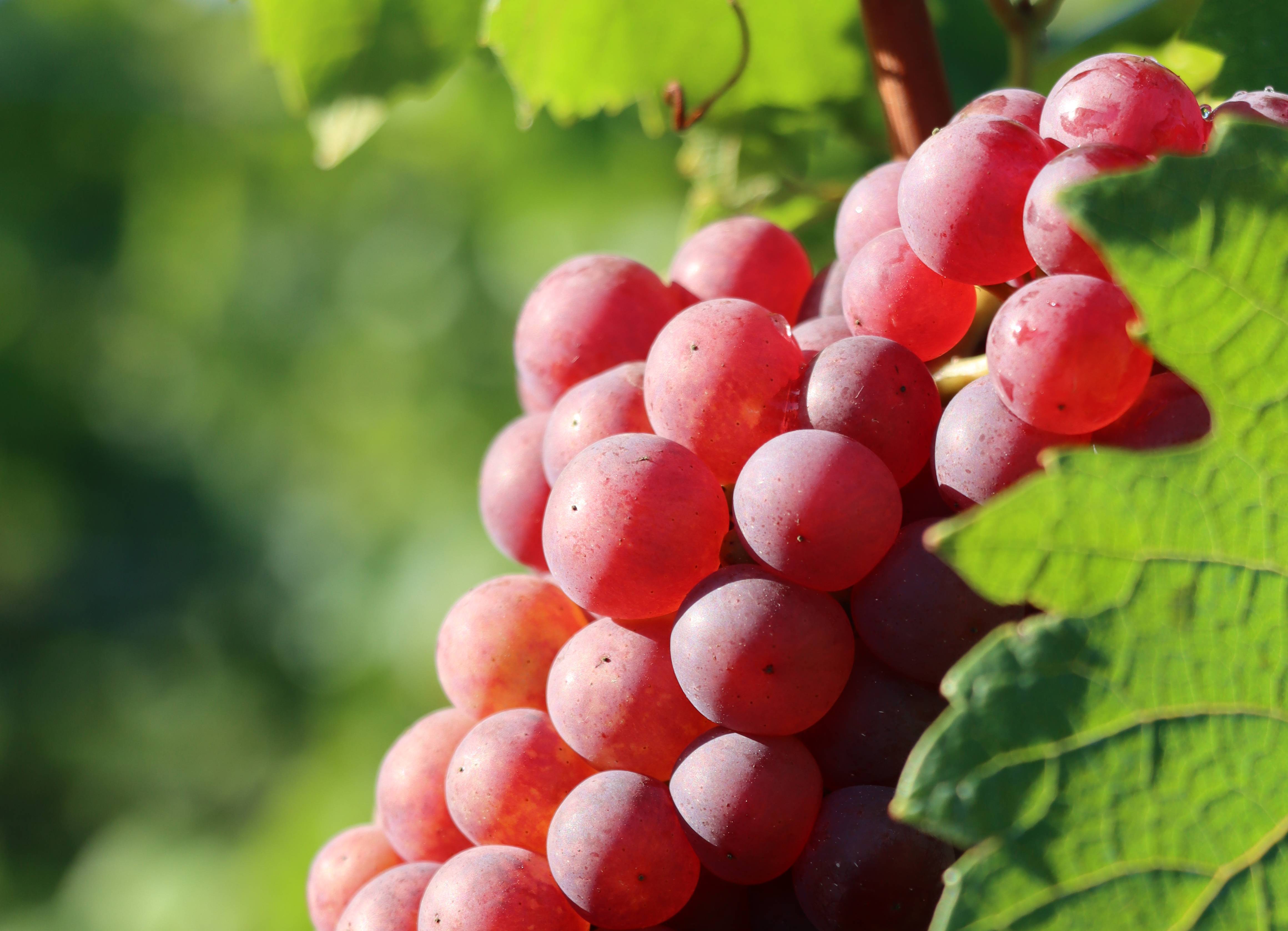
- Pinot noir: structure and red fruits,
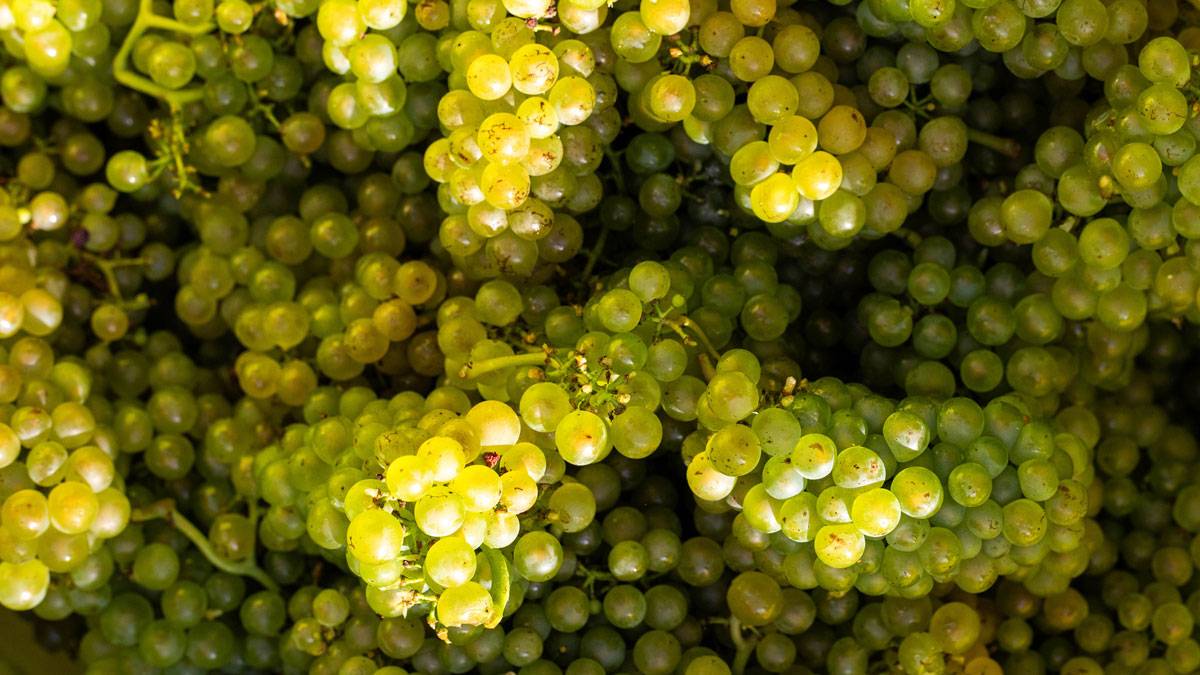
- Chardonnay: freshness and citrus,
- Meunier: roundness and yellow fruits.
A diversity of styles for every occasion
One of Champagne’s strengths lies in its diversity.
Each style tells a story:
- Brut non vintage: the essential. A blend of several years and different grape varieties, guaranteeing a consistent signature.
- Blanc de blancs: made exclusively from white grape varieties, mainly Chardonnay. Appreciated for its freshness and saline notes.
- Blanc de noirs: made from black grape varieties vinified as white, Pinot noir or Meunier. Offers structure and power.
- Rosé:produced by maceration or blending. Brings a gourmet and colourful touch.
- Millésime : from a single remarkable harvest. Rarer, recognised for its length and complexity.
How to serve Champagne properly?
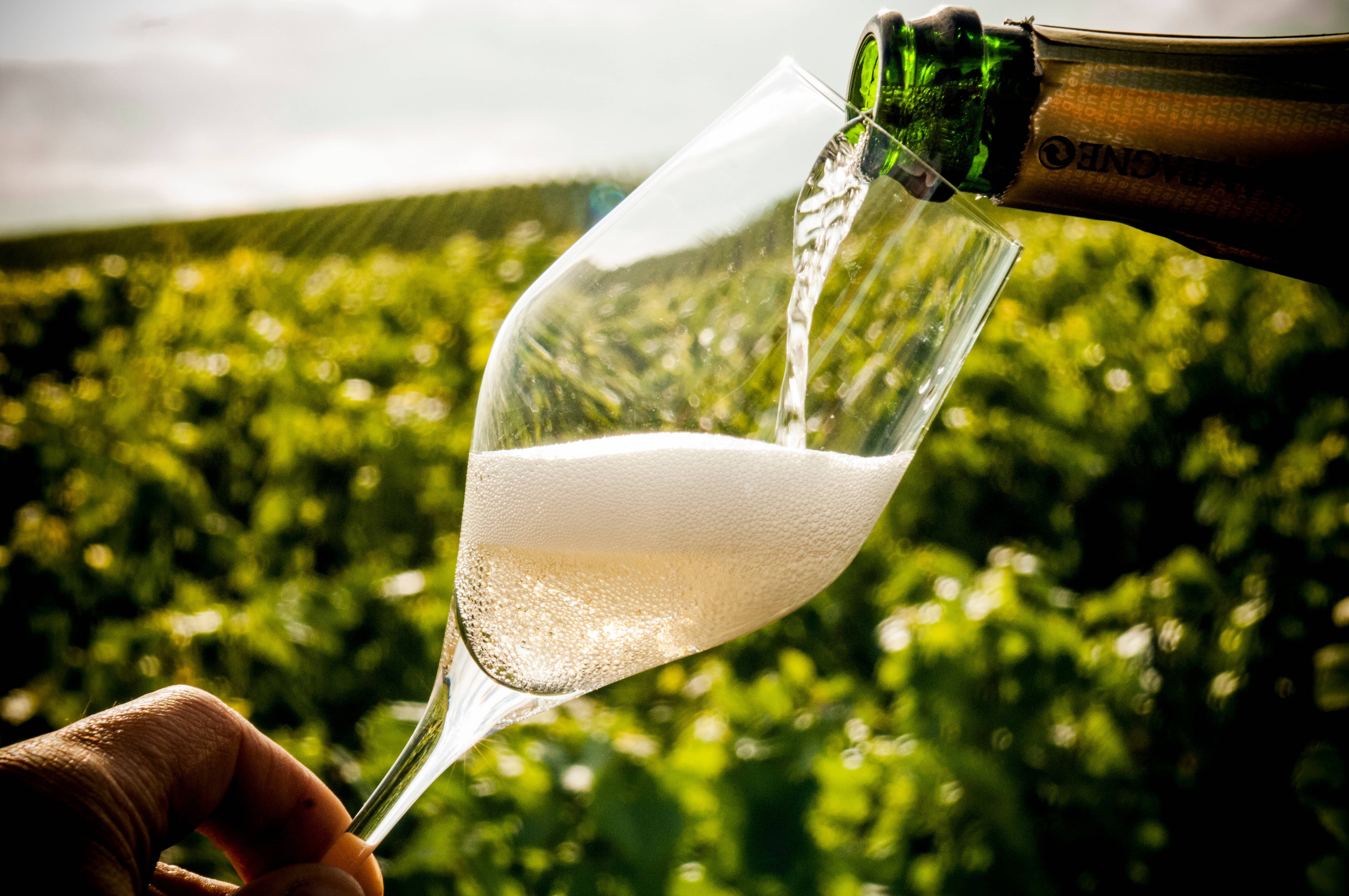
To reveal all its aromas, two main aspects should be considered:
- a serving temperature between 8 and 10°C,
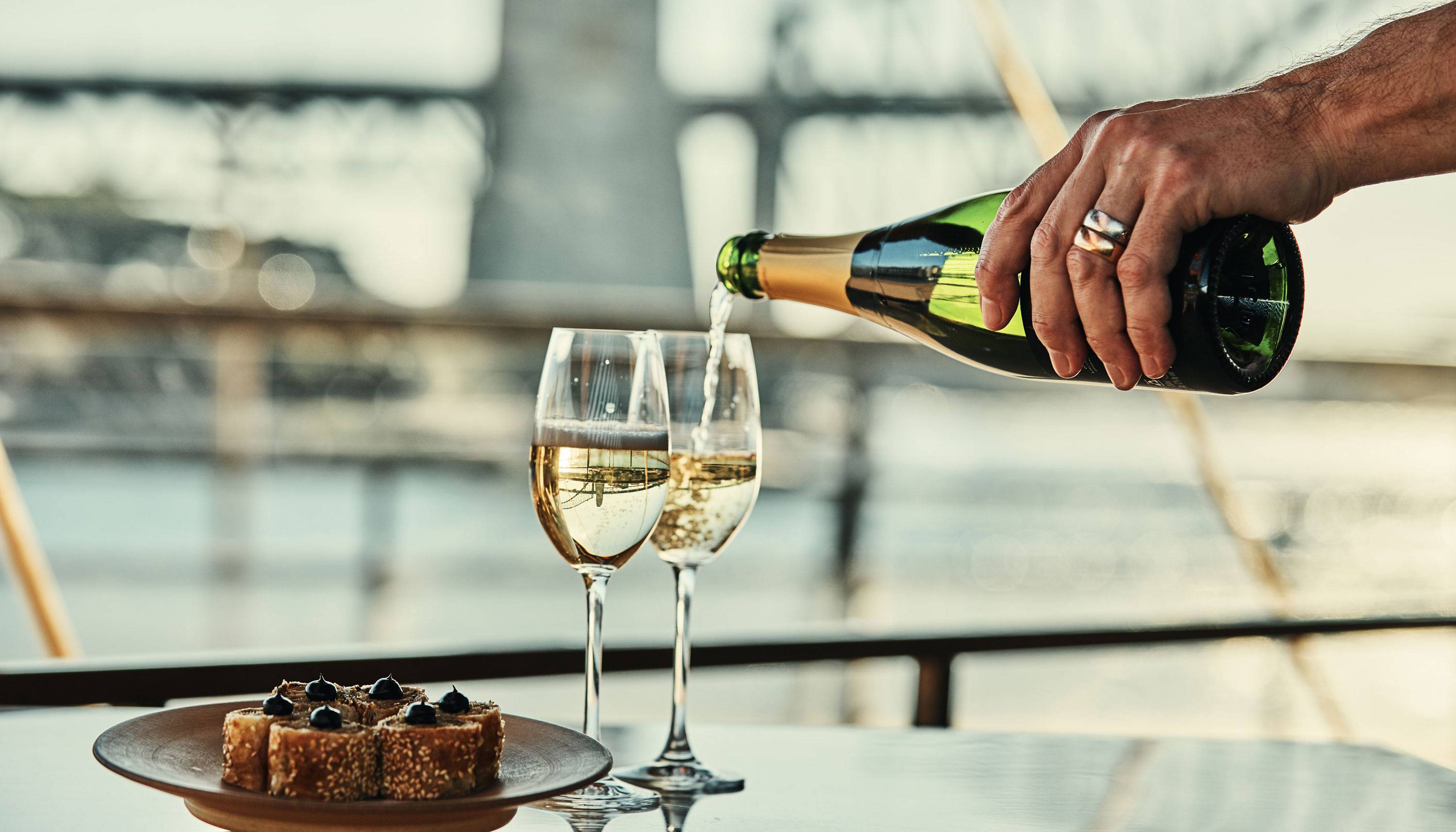
- appropriate glassware, ideally a tulip shaped glass or a white wine glass, which enhances aromatic expression.
To explore these topics further, you can discover our educational sheets.